
Why Shrawan Is the Most Sacred Month
A Season of Devotion, Fasting, and Divine Connection
Every year, when the monsoon clouds roll over the Indian subcontinent and Nepal, something shifts in the rhythm of Hindu life. Temples fill with chanting, rivers of devotees dressed in saffron walk barefoot for miles, and homes begin observing fasts on Mondays. This is Shrawan (also spelled Shravan or Sawan) the fifth month of the Hindu lunar calendar, typically falling between July and August. For millions of Hindus, Shrawan is not just a month on the calendar; it is a spiritual season, one of the holiest and most anticipated times of the year.
But what exactly makes Shrawan so special? Why does an entire community pause its ordinary rhythms to dedicate thirty days to fasting, prayer, and pilgrimage? Let’s explore the deep religious, cultural, and cosmic significance of this sacred month.
1. The Month Dedicated to Lord Shiva
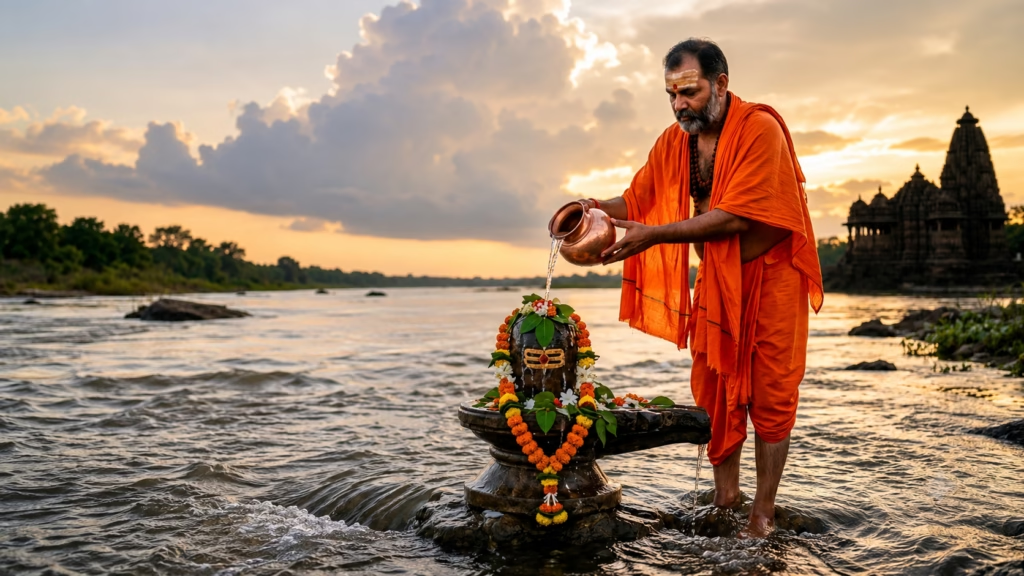
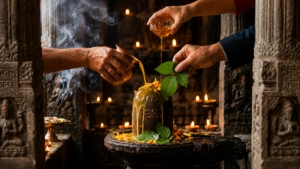
Shrawan is universally recognized as Lord Shiva’s month. According to Hindu mythology, it was during this period that Lord Shiva consumed the Halahala poison that emerged from the Samudra Manthan (the churning of the cosmic ocean) to save the universe from destruction. The poison burned his throat, turning it blue earning him the name Neelkanth (the blue-throated one). To cool the burning effect of the poison, devas and devotees offered him water and milk, a tradition that continues today through the ritual of Jalabhishek, where devotees pour holy water over the Shiva Lingam every day of Shrawan, especially on Mondays.
2. Shrawan Somwar: The Sacred Mondays
Each Monday of Shrawan, known as Shrawan Somwar, holds special importance. Devotees observe a strict fast, visit Shiva temples, and perform elaborate rituals involving bel leaves, milk, honey, curd, and holy water. Unmarried women often observe this fast seeking a good life partner, while married women pray for the well-being and longevity of their husbands. The belief is simple yet profound: Lord Shiva, the ascetic god who is easily pleased (Bholenath), rewards sincere devotion shown during this month more than at any other time of the year.
3. The Legendary Kanwar Yatra
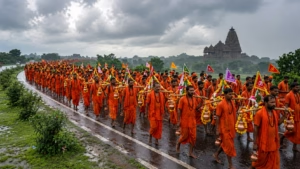
One of the most visually striking traditions of Shrawan is the Kanwar Yatra. Millions of devotees, known as Kanwariyas, travel on foot sometimes hundreds of kilometers to sacred rivers like the Ganges to collect holy water. They carry this water in decorated pots slung on shoulder poles (kanwars) back to their local Shiva temples, where it is offered during the auspicious festival of Shivratri or on Mondays. This pilgrimage is a remarkable display of faith, endurance, and community spirit, transforming highways into rivers of saffron-clad devotees.
4. Nag Panchami: Reverence for Serpents
Shrawan also brings Nag Panchami, a day dedicated to worshipping snake deities (Nagas). Rooted in both mythology and agrarian wisdom, this festival reflects the ancient Hindu understanding of coexistence with nature. Snakes, often feared, are honored during this time with offerings of milk at anthills and snake shrines, symbolizing gratitude and protection from Naga Devata, especially important as monsoon rains increase encounters with these creatures.
5. Mangala Gauri Vrat: A Festival for Women
Every Tuesday in Shrawan is observed as Mangala Gauri Vrat, primarily by married women who pray to Goddess Parvati (Gauri) for marital harmony, prosperity, and the well-being of their families. This ritual highlights the divine feminine energy that complements Lord Shiva’s masculine asceticism, reminding devotees that Shrawan celebrates both Shiva and Shakti together.
6. A Time of Purification and Discipline
Beyond the mythology, Shrawan carries deep spiritual and even scientific logic. Many devotees abstain from consuming leafy vegetables, non-vegetarian food, and alcohol during this month. Ayurveda explains that the monsoon season weakens digestion and increases the risk of infection, making a lighter, satvik (pure) diet beneficial for health. In this way, ancient religious discipline aligns beautifully with seasonal wellness a reminder that Hindu traditions often carry practical wisdom wrapped in spiritual symbolism.
7. The Bridge to Raksha Bandhan and Beyond
Shrawan culminates with Raksha Bandhan, the festival celebrating the sacred bond between brothers and sisters. This transition from a month of solemn fasting and penance to a joyous celebration of familial love reflects the beautiful balance in Hindu philosophy between tapasya (austerity) and utsav (celebration), between inward devotion and outward connection.
Why It All Matters
Shrawan is special because it weaves together mythology, seasonal wisdom, community devotion, and personal discipline into a single, unbroken thread. It is a month where:
- Devotion is renewed through daily rituals and fasting.
- Communities unite through pilgrimages like the Kanwar Yatra.
- Nature is honored through festivals like Nag Panchami.
- Women’s spiritual roles are celebrated through Mangala Gauri Vrat.
- Health and discipline are reinforced through seasonal dietary practices.
In a fast-paced modern world, Shrawan offers Hindus a structured, sacred pause a chance to reconnect with faith, family, and self-discipline. It is this rare combination of mythology, community spirit, and practical wisdom that makes Shrawan one of the most cherished and special months in the entire Hindu religious calendar.
Conclusion
Whether it’s the rhythmic chants of “Om Namah Shivaya” echoing through temple courtyards, the sight of Kanwariyas walking in unwavering faith, or the quiet fasting observed within homes, Shrawan is a living testament to the depth and beauty of Hindu spirituality. It is not merely a month — it is an experience, renewed every single year, that continues to bind generations of devotees to their faith and to each other.