
Digital Skills for Nepali Creators

The Legal Backdrop Every Nepali Creator Should Know
Before getting into platform-by-platform monetization, it’s worth understanding the regulatory environment you’re creating within, because it directly affects which platforms are reliable long-term.
In November 2023, Nepal’s Ministry of Communication and Information Technology introduced the Directive on Regulating the Use of Social Media, 2080 (2023), issued under the Electronic Transaction Act, 2006. It requires every social media platform operating in Nepal domestic or foreign to formally register with the Ministry, appoint a local point of contact, and designate a grievance officer, among other compliance duties.
This wasn’t just paperwork. In September 2025, the government enforced this requirement by banning 26 unregistered platforms, including Facebook, Instagram, WhatsApp, and X. TikTok was among the first platforms to register and was not affected. Following the ban, Meta indicated it would work toward compliance for its platforms. YouTube and X, notably, were not registered with the Ministry at the time of the ban. Because this situation is still evolving, it’s worth checking a platform’s current registration and access status in Nepal before building your entire content strategy around it.
Separately, foreign platforms operating in Nepal are subject to a 2% Digital Service Tax on revenue earned from Nepali customers (this applies to the platforms themselves, not directly to individual creators), plus standard VAT registration obligations once turnover thresholds are crossed. As a creator, your own earnings are still personal or business income under Nepal’s tax law more on that further down.
Platform-by-Platform: What’s Actually Available Right Now
This is the part most guides get vague about. Here’s what’s factually true for each major platform in Nepal as of mid-2026:
Facebook Content Monetization has been officially available in Nepal since September 1, 2025, allowing eligible creators to receive direct payouts to Nepali bank accounts. To qualify, creators generally need 10,000+ followers, around 600,000 minutes of watch time within the last 60 days, at least 5 public posts in the past 60 days, and an account that has been active for more than 90 days. Payments are issued once earnings reach the $100 minimum threshold, following a Net-30 payout cycle.
🔴 YouTube – Fully Supported in Nepal
YouTube’s Partner Program (YPP) is fully available for creators in Nepal. The standard eligibility requires 1,000 subscribers along with 4,000 public watch hours within the last 12 months. Alternatively, creators focusing on Shorts can qualify with 10 million valid Shorts views within 90 days. Meeting these thresholds is not enough on its own—channels must also comply with all YouTube monetization policies and community guidelines.
⚫ TikTok – No Official Creator Fund Yet
Although TikTok is now officially registered with Nepal’s government, its Creator Rewards Program (formerly Creator Fund/Creativity Program) is not currently available for Nepal-based accounts. As a result, most Nepali creators earn income through TikTok LIVE gifts, brand sponsorships, affiliate marketing, and promotional collaborations, rather than receiving direct payments from TikTok for video views.
🟣 Instagram – Indirect Monetization
Instagram does not currently offer a fully supported direct ad-revenue sharing program for creators in Nepal. Instead, creators primarily generate income through brand partnerships, sponsored content, affiliate marketing, and Live Badges (where eligible). Unlike YouTube or Facebook, there is no fixed follower requirement for earning on Instagram, as success depends largely on audience engagement, niche, and collaboration opportunities with brands.
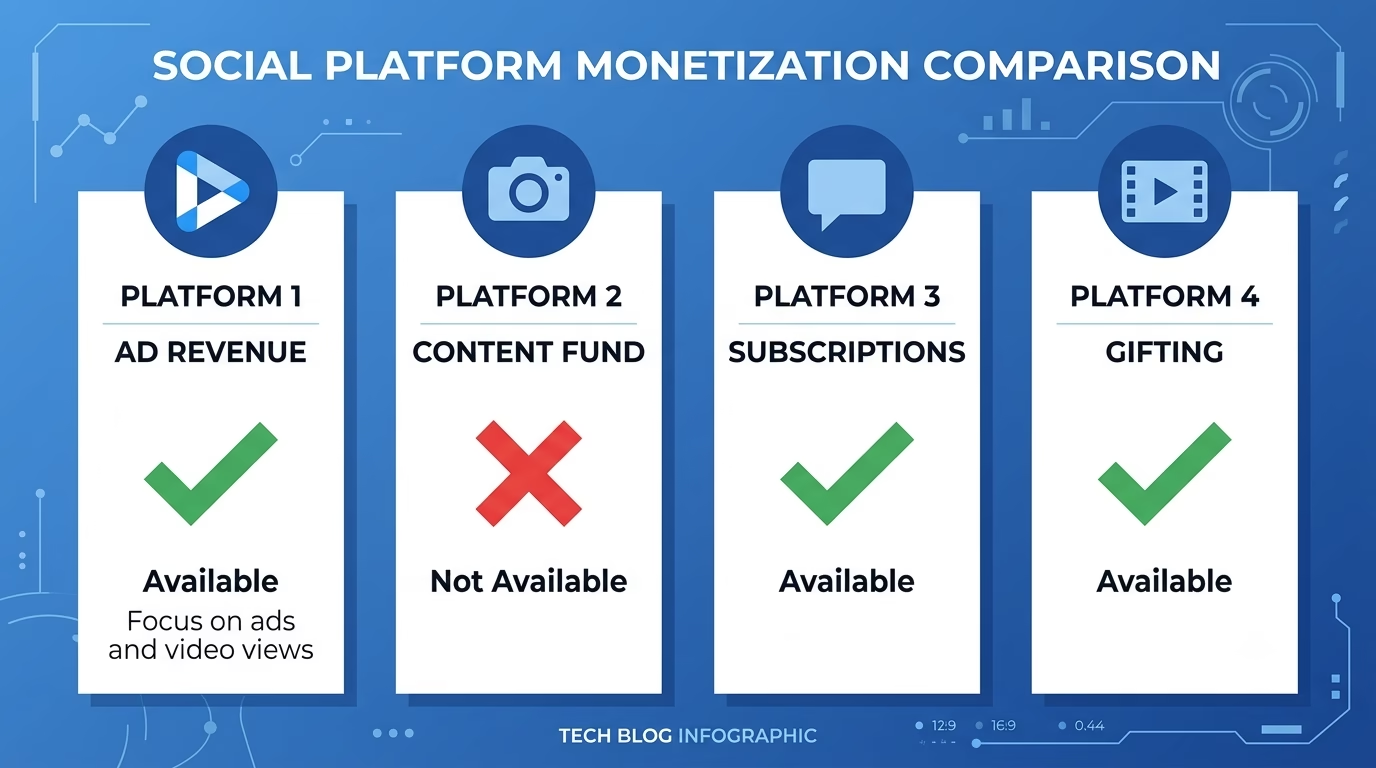
The most important distinction here: Facebook and YouTube offer official, direct monetization paths built for creators in Nepal. TikTok does not despite being hugely popular and legally registered to operate in the country, its Creator Rewards program simply isn’t turned on for Nepal-region accounts. Some creators work around this using accounts registered to other countries, but that carries real account-suspension risk since it goes against TikTok’s own terms of service it’s not something to build a business around. Instagram sits in between: no dedicated ad-revenue program confirmed for Nepal, but real income is achievable through affiliate marketing, live badges, and direct brand sponsorships.
Choosing a Content Niche
There isn’t reliable public data ranking exactly which content niche earns the most in Nepal specifically, so treat niche selection as a strategic choice based on your strengths and platform fit rather than a guaranteed formula. That said, a couple of patterns are consistently reported:
- Lifestyle, fashion, and travel content performs particularly well on Instagram, where the visual format and affiliate/brand-partnership ecosystem is strongest.
- Educational and storytelling content tutorials, how-to explainers, and narrative-driven videos tends to generate more saves, shares, and replays on TikTok specifically, which directly helps account growth even without a local Creator Fund.
- Comedy and entertainment content remains a broad, high-volume category across all platforms, but also the most competitive standing out usually requires a genuinely distinct format or voice rather than following trends alone.
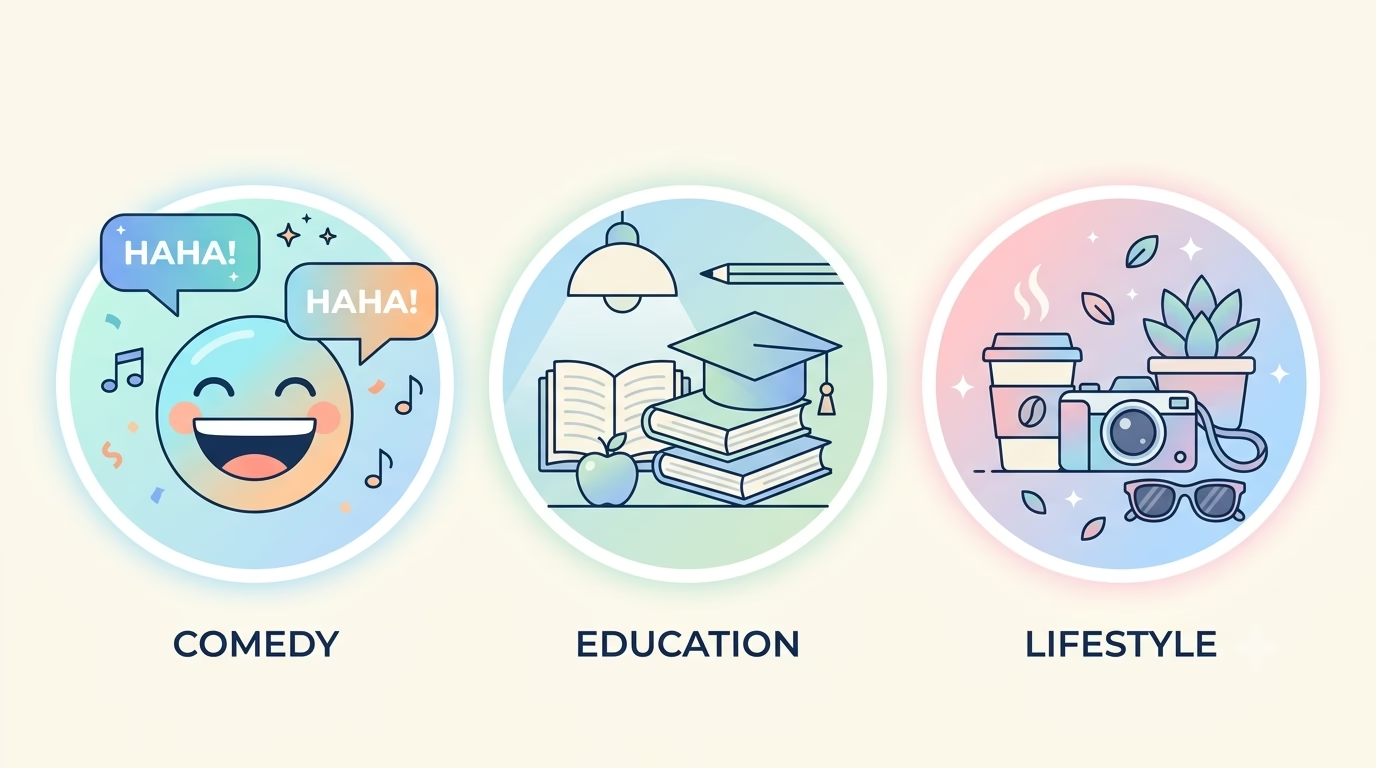
The practical takeaway: pick a niche you can sustain consistently (all platform guides agree consistency drives growth more than any single viral post), and match your content format to the platform where that format already performs best, rather than posting the same content identically everywhere.
Staying Compliant: Registration and Taxes
- Business registration: If content creation becomes a real income source, registering as a sole proprietorship or small business with Nepal’s Office of the Company Registrar (or local Ward Office for smaller operations) gives you legal standing to sign brand contracts and issue invoices.
- Tax obligations: Income earned from content creation whether from platform payouts, brand deals, or affiliate commissions is taxable income under Nepal’s Income Tax Act, regardless of whether it’s paid in NPR or foreign currency. Specific rates depend on your registration status (individual vs. registered business) and income level, so this is worth a direct consultation with a tax professional or the Inland Revenue Department rather than relying on a general blog estimate.
- Banking channels: All monetization payouts (Facebook, YouTube, brand deals) should be received through recognized banking channels. The Social Media Directive itself requires platform-related financial transactions to go through the banking system, and using unofficial or crypto-based payment channels carries both legal and practical risk.
- Keep records: Save payout statements, brand contracts, and invoices from day one this matters both for tax filing and for proving income if you ever apply for loans, visas, or business registration.
A Practical Creator Business Checklist
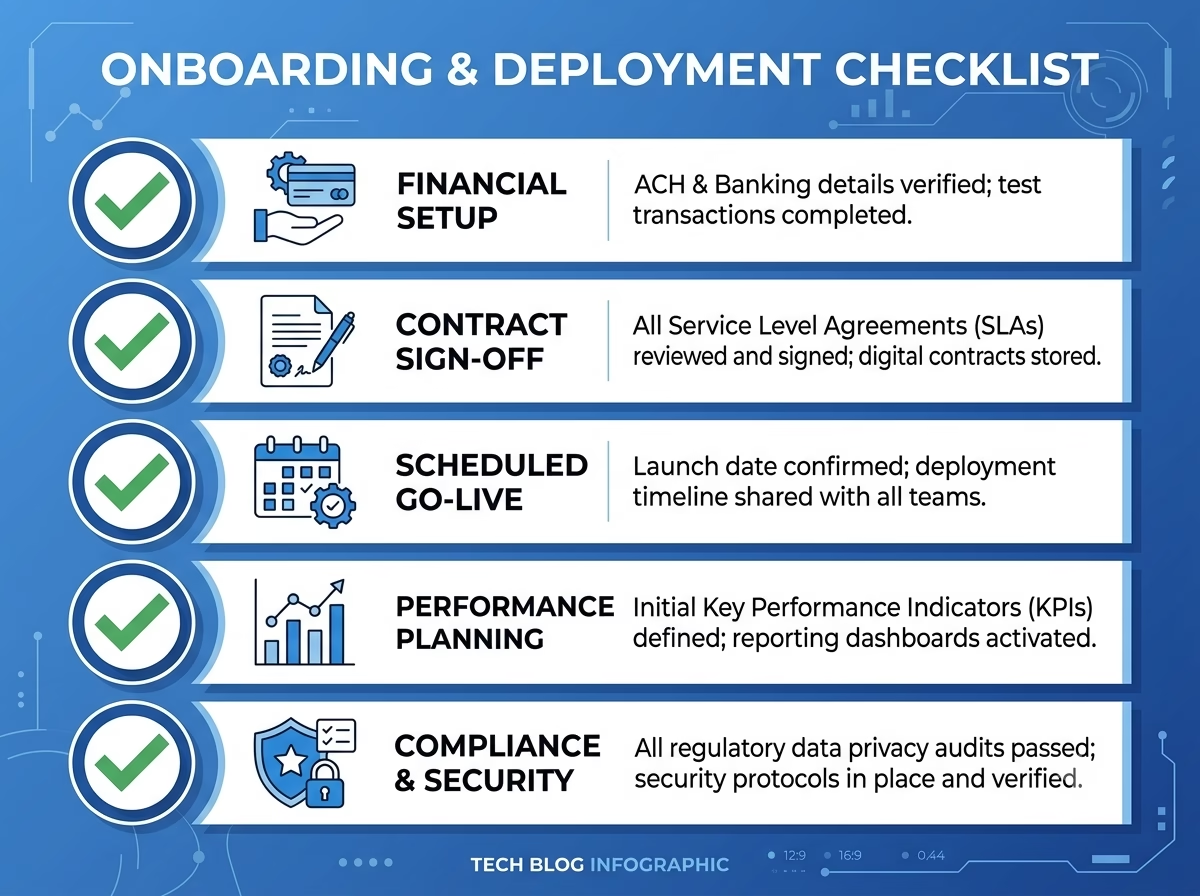
- Register your Facebook Page or YouTube channel in Professional/Business mode, not a personal profile, to access monetization tools
- Check and track your progress toward each platform’s specific eligibility thresholds (follower count, watch time, post frequency) before assuming you’re close to qualifying
- Add your verified Nepali bank account details to each platform’s payout settings once eligible
- Diversify income beyond ad revenue: affiliate links, brand sponsorships, and digital products (courses, presets, templates) are less dependent on any single platform’s monetization rules
- Don’t build your primary income strategy around TikTok alone, given its current monetization gap in Nepal treat it as an audience-building channel and convert that audience toward Facebook, YouTube, or direct brand deals
- Register as a business once income becomes consistent, and set aside a portion of every payout for taxes rather than treating gross income as spendable income
- Revisit platform registration/compliance news periodically Nepal’s social media regulatory environment is still actively changing
The Bottom Line
2026 is a genuinely different environment for Nepali creators than even two years ago. Facebook’s official monetization launch and YouTube’s established Partner Program mean real, direct payouts are possible without workarounds. TikTok remains the odd one out massively popular, but without official local monetization, meaning it’s better used as a growth engine than a primary income source right now. Combine platform payouts with brand partnerships and affiliate income, register your work properly, and treat this like the real, taxable business it’s becoming.
Sources: Meta’s Facebook Content Monetization Nepal rollout (Krizmatic, Makura Creations), Nepal’s Directive on Regulating the Use of Social Media 2080/2023 and its 2025 enforcement (Kathmandu Post, Nepal Economic Forum, Chintan Law Associates, eStartup Nepal, Nepal Divorce Services legal guide), and platform-reported creator requirements current as of mid-2026. Regulatory status and platform terms change verify current rules before making income decisions.